CN
-
Service Hotline
15766086363

Release Date:Apr 16, 2026
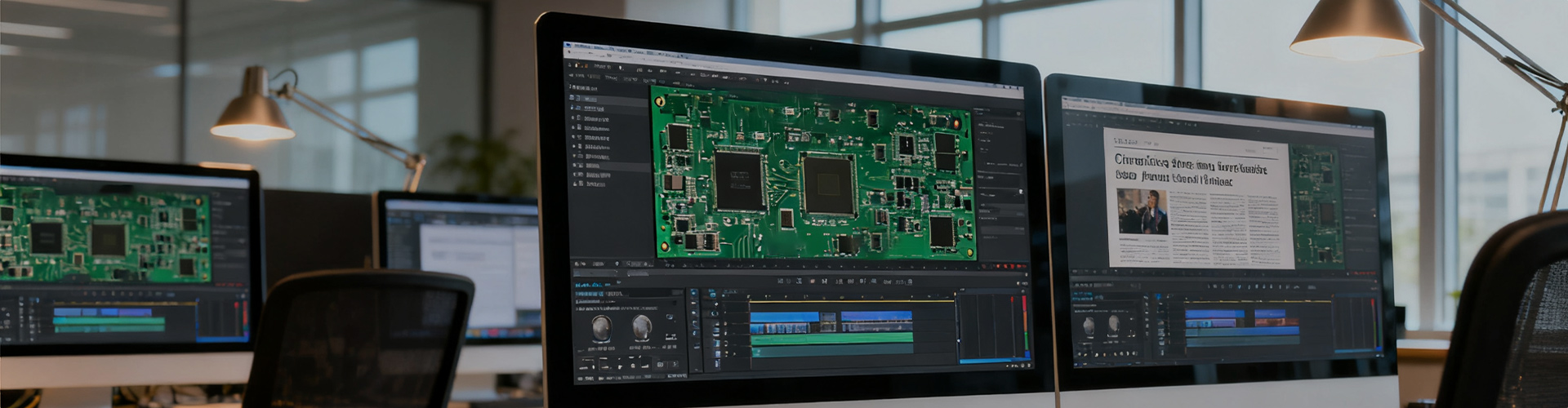
In the manufacturing of Printed Circuit Board Assemblies (PCBA), cleanliness is a critical factor that directly impacts the performance, reliability, and lifespan of the final product. PCBA cleaning processing is the process of removing contaminants such as flux residues, solder paste, dust, oil, fingerprints, and ionic debris from the surface of PCBA assemblies after soldering. These contaminants can cause a range of issues, including poor solder joint quality, electrical short circuits, corrosion, and reduced component reliability—making PCBA cleaning an essential step in the manufacturing process. A professional PCBA cleaning processing technology manufacturer specializes in developing and implementing advanced cleaning technologies and processes to ensure that PCBA assemblies meet the highest cleanliness standards, supporting clients across various industries such as automotive, medical, industrial, and consumer electronics.
The importance of PCBA cleaning cannot be overstated. Flux residues, which are left behind after the soldering process, are one of the most common contaminants. While some fluxes are labeled as “no-clean,” they can still leave behind residues that absorb moisture and form ionic pathways, leading to electrochemical migration, dendritic growth, and short circuits—especially in high-density SMT assemblies. Solder paste residues, dust, and fingerprints can also compromise the performance of the PCBA, interfering with component adhesion, coating application, and electrical conductivity. In industries such as medical and automotive, where reliability is critical, even small amounts of contamination can lead to product failure, costly recalls, and safety risks. A professional PCBA cleaning processing technology manufacturer uses advanced cleaning technologies to remove these contaminants effectively, ensuring that the PCBA meets strict industry standards such as IPC-A-610 Class 3, which is the highest standard for electronic component acceptability.
A professional PCBA cleaning processing technology manufacturer offers a range of cleaning technologies to meet the diverse needs of different PCBA assemblies and industries. These technologies include aqueous cleaning, vapor degreasing, ultrasonic cleaning, and plasma cleaning, each with unique advantages and applications. Aqueous cleaning is one of the most widely used methods, involving the use of deionized water and environmentally friendly cleaning agents (such as saponifiers) to remove contaminants. This method is ideal for high-volume production, as it can handle large batches of PCBA assemblies efficiently. Aqueous cleaning systems typically use high-pressure spray nozzles to dislodge contaminants, followed by multiple rinsing stages to remove any remaining cleaning agents and residues. The PCBA is then dried using hot air or vacuum drying to prevent water spots and moisture-related issues.
Vapor degreasing is another advanced cleaning technology used for precision cleaning of high-density PCBA assemblies with fine-pitch components. This method uses a fluorinated or hydrocarbon solvent that is heated to its boiling point, creating a vapor that condenses on the cold PCBA surface. The condensed solvent dissolves contaminants, which are then drained away, leaving the PCBA clean and dry. Vapor degreasing is particularly effective for removing flux residues and other organic contaminants from hard-to-reach areas, such as under low-standoff components (e.g., BGA, QFP) where aqueous cleaning may not be effective. Additionally, vapor degreasing systems are closed-loop, meaning that the solvent is recovered and reused, making them environmentally friendly and cost-effective.
Ultrasonic cleaning is a precision cleaning method that uses high-frequency sound waves to create tiny bubbles in the cleaning solution. These bubbles implode, generating high-pressure shock waves that dislodge contaminants from the PCBA surface and from hard-to-reach areas such as component引脚 and solder joints. This method is ideal for cleaning PCBA assemblies with complex geometries or delicate components, as it is non-abrasive and does not damage sensitive parts. Ultrasonic cleaning is often used in combination with aqueous cleaning or vapor degreasing to achieve optimal cleaning results, especially for medical and aerospace PCBA assemblies that require extremely high cleanliness standards.
Plasma cleaning is a advanced, dry cleaning technology that uses ionized gas (plasma) to remove organic contaminants from the PCBA surface. This method is particularly effective for removing thin films of contaminants, such as fingerprints and oil, and can also improve the adhesion of conformal coatings and solder masks. Plasma cleaning is ideal for PCBA assemblies that are sensitive to moisture or cannot be exposed to liquid cleaning agents, such as high-frequency or high-voltage PCBs. Additionally, plasma cleaning is environmentally friendly, as it does not use any solvents or water, and produces no waste.
A professional PCBA cleaning processing technology manufacturer not only offers a range of cleaning technologies but also provides custom cleaning solutions tailored to the specific needs of their clients. Every PCBA assembly is unique, with different component types, soldering processes, and cleanliness requirements. A reputable manufacturer will work closely with the client to understand their product’s specifications, intended use, and regulatory requirements, then design a custom cleaning process that addresses these specific needs. For example, medical PCBA assemblies require cleaning processes that comply with ISO 13485 standards and ensure that no harmful residues are left behind, while automotive PCBA assemblies may require cleaning to remove road salt residues and other contaminants that can cause corrosion. Industrial PCBA assemblies may need cleaning to remove dust and chemical residues from harsh operating environments.
Quality control is a critical aspect of PCBA cleaning processing. Reputable manufacturers adhere to strict quality management systems (QMS) such as ISO 9001 and IATF 16949, ensuring that all cleaning processes are standardized, documented, and continuously improved. Advanced inspection techniques are used to verify the cleanliness of the PCBA, including ion chromatography, which measures the amount of ionic residues on the surface; visual inspection using high-magnification tools to check for visible contaminants; and automated optical inspection (AOI) to detect small particles and residues that are invisible to the naked eye. Additionally, manufacturers conduct regular testing to ensure that their cleaning processes meet industry standards and client requirements, providing detailed test reports to verify the cleanliness of each batch of PCBA assemblies.
Another key advantage of partnering with a professional PCBA cleaning processing technology manufacturer is the expertise and experience they bring to the table. Cleaning PCBA assemblies requires in-depth knowledge of different contaminants, cleaning technologies, and industry standards. A professional manufacturer has a team of skilled engineers and technicians who are trained in the latest cleaning techniques and equipment, ensuring that the PCBA is cleaned effectively and efficiently. They also stay up-to-date with the latest advancements in cleaning technology, investing in new equipment and processes to meet the evolving needs of the industry. For example, as PCBA assemblies become more miniaturized and high-density, manufacturers are developing new cleaning technologies to address the challenges of cleaning fine-pitch components and small gaps between components.
Cost savings is another benefit of outsourcing PCBA cleaning processing to a professional manufacturer. Investing in in-house cleaning equipment, materials, and personnel can be expensive, especially for small and medium-sized enterprises (SMEs). By outsourcing, businesses can avoid these capital expenditures and instead pay a predictable fee for the services they need. Additionally, professional manufacturers have the expertise to optimize cleaning processes, reducing waste and minimizing the use of cleaning agents and water—lowering overall costs. They also have the ability to handle large volumes of PCBA assemblies efficiently, reducing lead times and ensuring consistent quality.
In today’s competitive electronics market, the demand for high-quality, reliable PCBA assemblies is growing. PCBA cleaning processing is a critical step in ensuring that these assemblies meet the required standards, and a professional PCBA cleaning processing technology manufacturer plays a vital role in this process. By offering advanced cleaning technologies, custom solutions, and strict quality control, these manufacturers help clients deliver high-quality products that are reliable, durable, and compliant with industry regulations. Whether you are manufacturing medical devices, automotive components, industrial equipment, or consumer electronics, partnering with a reputable PCBA cleaning processing technology manufacturer is essential to achieving long-term success.

Email: 15361682656@163.com
Factory: Room 703, Kelunte R&D Building, No. 1 Ganli 5th Road, Jihua Street, Longgang District, Shenzhen City