CN
-
Service Hotline
15766086363

Release Date:Apr 09, 2026
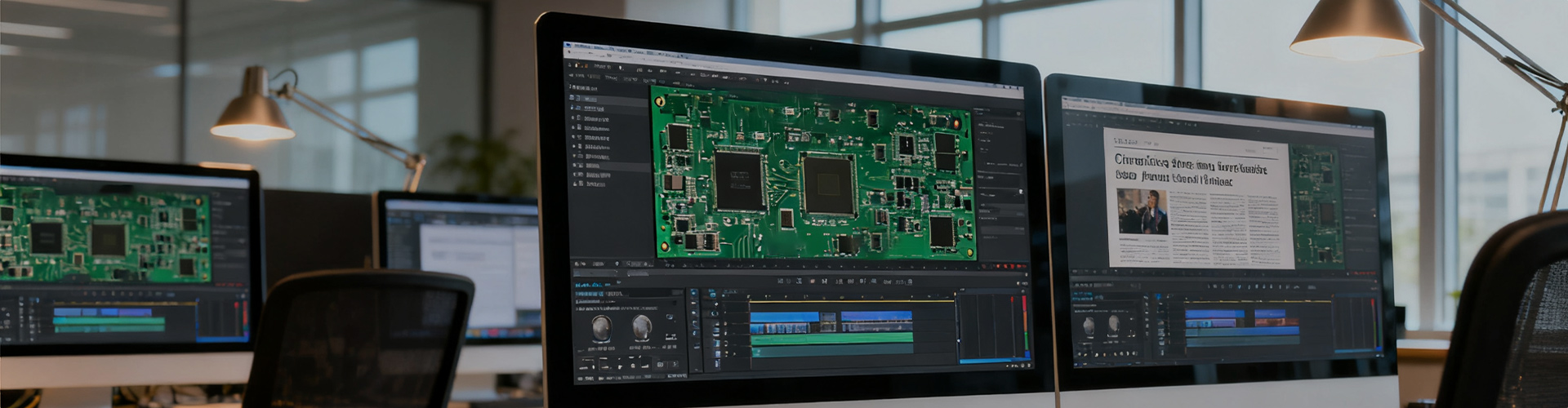
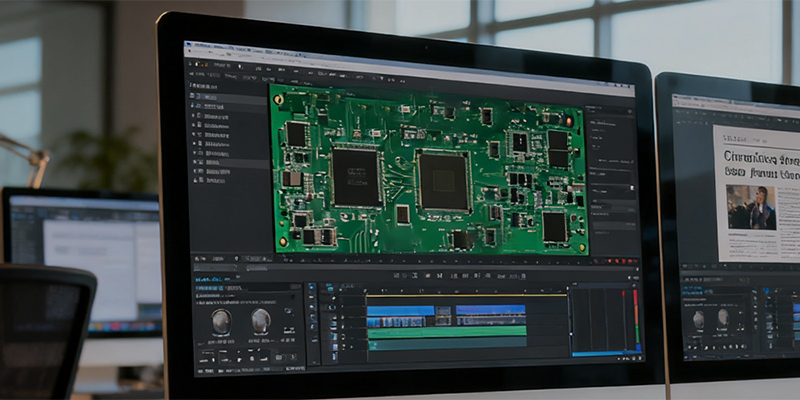
In the iterative world of electronic product development, small-batch PCBA rapid prototyping is a foundational service that bridges the gap between circuit design and mass production. Unlike large-scale PCBA manufacturing, rapid prototyping focuses on producing small quantities (typically 1–500 units) of PCBs with high precision and fast turnaround times, allowing designers and engineers to validate their designs, test functionality, and make iterative improvements before committing to full-scale production. This service is indispensable for startups, product developers, and R&D teams across industries, as it drastically reduces the time and cost of prototyping, enabling faster time-to-market and more innovative product development.
The core advantage of small-batch PCBA rapid prototyping lies in its speed and agility. Professional prototyping manufacturers prioritize fast turnaround times, with most services offering delivery in as little as 24–72 hours for prototype PCBs and 3–7 days for assembled PCBA prototypes. This speed is achieved through optimized workflows: dedicated prototyping production lines that are separate from mass production lines, pre-configured equipment for quick PCB fabrication, and streamlined procurement processes for standard components. For example, if a design team needs a 4-layer PCB prototype with fine-pitch components, the prototyping facility can initiate PCB fabrication immediately, using high-precision drilling and routing machines to produce the PCB in 24 hours. Component procurement is expedited by partnerships with local and regional distributors, ensuring that standard components are available for immediate assembly. For custom or hard-to-source components, prototyping providers often have access to small-batch suppliers or can facilitate short-lead-time orders, minimizing delays in the assembly process.
Precision and technical expertise are equally critical in rapid prototyping, as prototype PCBs must accurately reflect the final product’s design and performance. Prototyping manufacturers use advanced PCB fabrication technologies, such as laser drilling for microvias, high-precision etching for fine tracks, and impedance control for high-frequency PCBs, to produce prototypes that match the specifications of the final design. The assembly process utilizes compact, high-precision pick-and-place machines that can handle a wide range of component packages, from through-hole components to ultra-fine-pitch surface-mount devices (0201/01005 packages). Additionally, prototyping facilities are equipped with portable testing tools, such as handheld multimeters, oscilloscopes, and basic AOI systems, to enable on-site testing of prototypes, allowing engineers to identify and resolve design or assembly issues in real time. This precision ensures that prototype PCBA results are reliable and actionable, providing an accurate basis for design iterations.
Flexibility is a defining feature of small-batch rapid prototyping services. Unlike mass production, which requires standardized designs and long lead times, prototyping accommodates frequent design changes and custom requirements. Whether a design team needs to modify a PCB layout, swap a component for a different variant, or add new functionality to the prototype, prototyping manufacturers can quickly adjust their workflows to meet these changes. For example, if an engineer decides to replace a Bluetooth module with a Wi-Fi module mid-prototype, the prototyping team can update the PCB layout, source the new component, and reassemble the prototype in 48 hours. This flexibility is invaluable for R&D processes, where design iterations are common and speed is of the essence. Additionally, prototyping services offer customizable options, such as different PCB materials (FR-4, high-frequency Rogers materials, flexible PCBs), surface finishes (ENIG, HASL, immersion silver), and assembly configurations (hand-soldered for ultra-small batches, automated assembly for larger small batches), allowing clients to tailor prototypes to their specific product needs.
Cost-effectiveness is another key benefit of small-batch PCBA rapid prototyping. Traditional in-house prototyping requires significant investment in PCB fabrication equipment, assembly tools, and skilled labor—costs that are prohibitive for most SMEs and startups. Outsourcing prototyping to a specialized manufacturer eliminates these capital expenditures, as clients only pay for the prototypes they need, without the overhead of maintaining in-house prototyping infrastructure. Additionally, prototyping providers leverage bulk purchasing for prototype components and shared manufacturing resources to keep per-unit prototyping costs low, making it affordable for even small design teams to conduct multiple iterations.
Beyond accelerating product development, small-batch rapid prototyping reduces overall development risk. By validating designs early with physical prototypes, teams can identify design flaws, performance bottlenecks, and manufacturing feasibility issues before mass production, avoiding costly rework and delays. For example, a prototype may reveal that a component’s power consumption is too high for the product’s battery life, allowing the design team to switch to a more efficient component before production begins. This early validation is critical for reducing time-to-market and ensuring the final product’s success in the market.
In the fast-evolving electronics industry, where innovation and speed to market are critical, small-batch PCBA rapid prototyping is not just a service but a strategic enabler. By combining speed, precision, flexibility, and cost-effectiveness, it empowers product developers to iterate quickly, refine their designs, and bring innovative electronic products to market faster than ever before.

Email: 15361682656@163.com
Factory: Room 703, Kelunte R&D Building, No. 1 Ganli 5th Road, Jihua Street, Longgang District, Shenzhen City