CN
-
Service Hotline
15766086363

Release Date:May 27, 2026
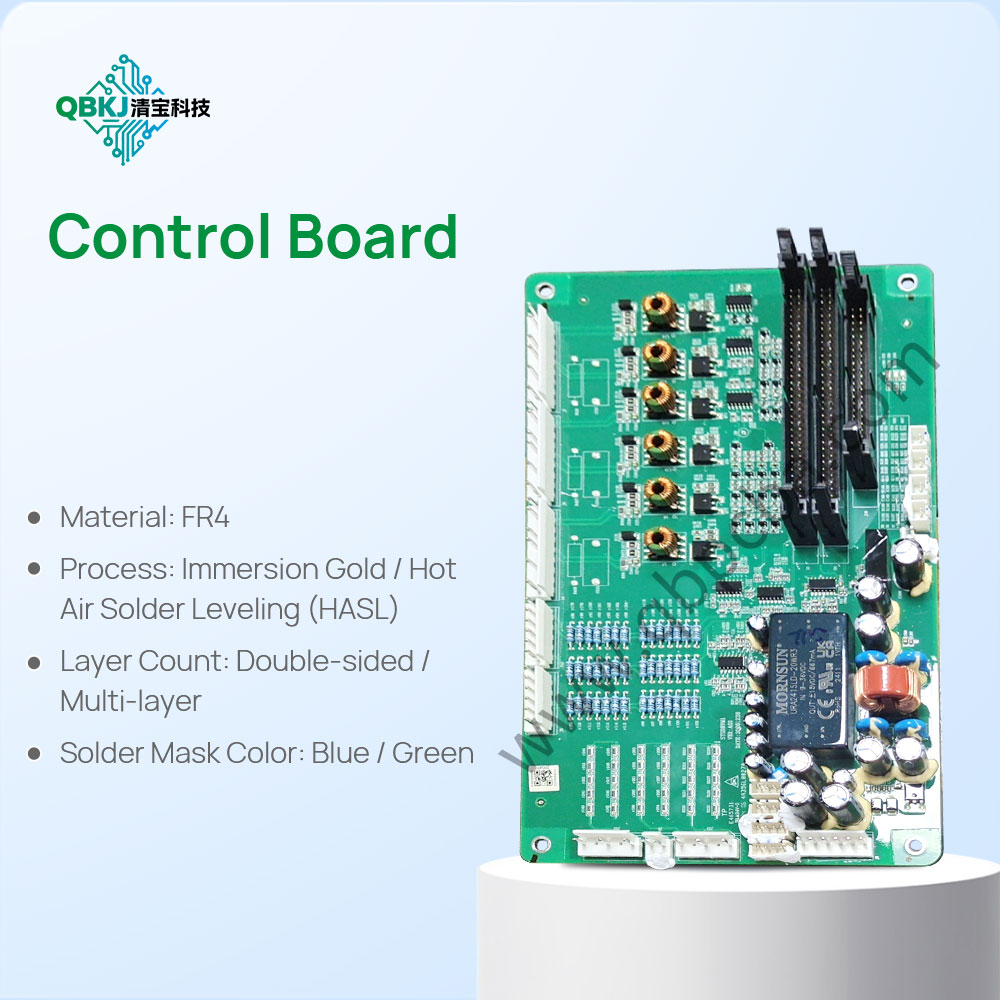
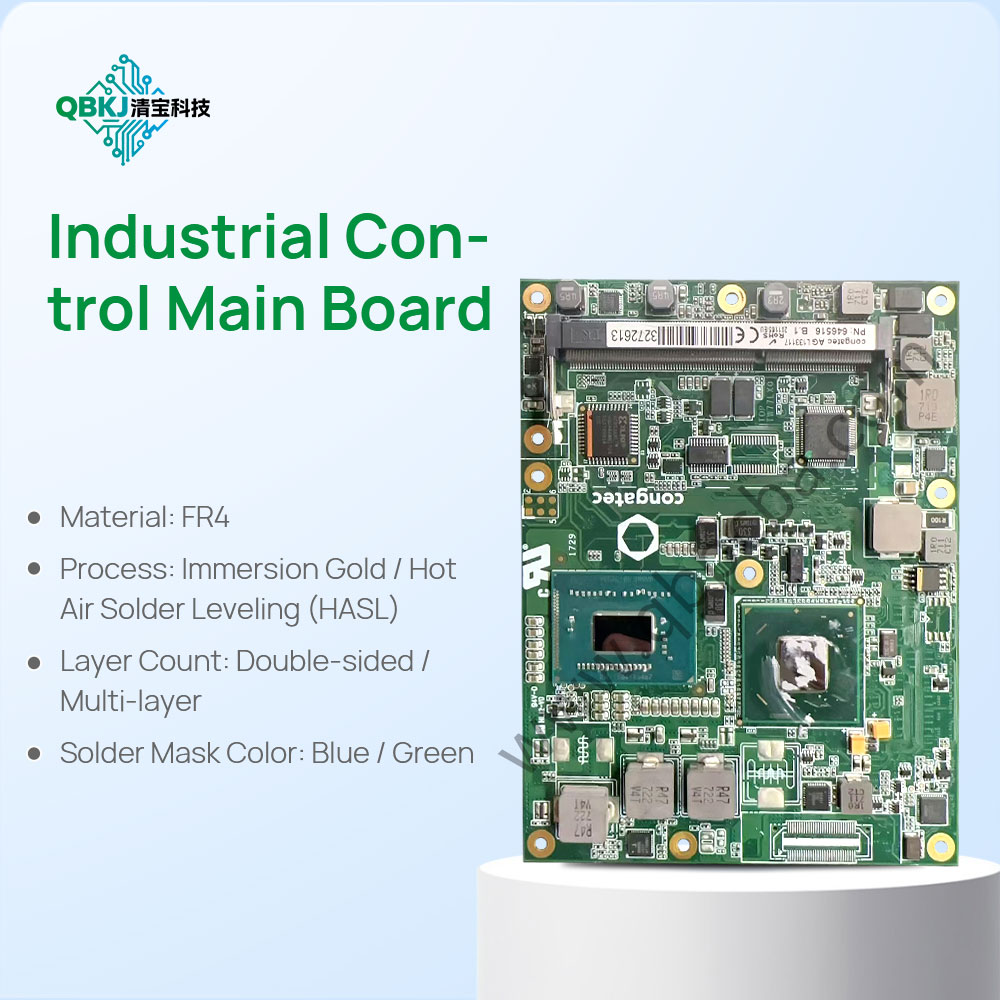
Security motherboard PCB clone and copy is a high-precision reverse engineering service designed for security equipment such as surveillance cameras, access control systems, and alarm devices. Security motherboards are the core components of security equipment, requiring high stability, reliability, and anti-interference capabilities, so the cloning process must strictly adhere to the original design standards and ensure the consistency of functional performance.
The cloning process starts with a comprehensive analysis of the original security motherboard. Engineers first conduct a physical inspection, using high-resolution scanners to scan each layer of the motherboard and record the layer stack-up, component layout, and trace distribution. They then identify key components such as microprocessors, memory chips, and sensor modules, and record their models, parameters, and connection methods. Since security motherboards often have complex circuit structures and may involve encryption modules, engineers need to use professional tools to analyze the circuit logic and ensure that the encrypted functions are fully replicated.
In the schematic reconstruction and layout cloning stage, engineers use advanced EDA software to replicate the circuit connections and layout of the original motherboard, focusing on the stability of the power supply circuit, signal transmission circuit, and anti-interference design. They conduct strict DRC (Design Rule Check) to correct any errors and ensure that the cloned layout meets the manufacturing requirements. After the layout is completed, prototype production and functional testing are carried out, including power-on test, signal stability test, and anti-interference test. Finally, the cloned motherboard is verified to ensure that it can work stably in harsh environments, such as high temperature, humidity, and strong electromagnetic interference, meeting the strict requirements of the security industry.

Email: 15361682656@163.com
Factory: Room 703, Kelunte R&D Building, No. 1 Ganli 5th Road, Jihua Street, Longgang District, Shenzhen City