CN
-
Service Hotline
15766086363

Release Date:Apr 09, 2026
PCBA Full Turnkey Service, also known as Original Equipment Manufacturing (OEM) and Original Design Manufacturing (ODM), represents the most comprehensive and streamlined solution for electronics manufacturers and product developers seeking a one-stop partner to bring their electronic products to life. Unlike fragmented services that separate component procurement, PCB fabrication, assembly, and testing, a full turnkey service covers every stage of the PCBA production lifecycle—from initial design iteration and prototype development to mass production and post-delivery support. This end-to-end model is designed to eliminate the inefficiencies and coordination challenges of managing multiple suppliers, making it an ideal choice for startups, SMEs, and established enterprises alike looking to accelerate product development and scale production efficiently.
The ODM (Original Design Manufacturing) segment of the turnkey service caters to clients who have a product concept but lack the technical resources for detailed design and engineering. Professional turnkey providers offer in-house R&D teams with expertise in electronic circuit design, PCB layout (using tools like Altium Designer, Cadence, and Mentor Graphics), and mechanical-electrical integration. These teams work closely with clients to refine product concepts, optimize circuit designs for performance and cost-effectiveness, and create PCB layouts that align with manufacturing feasibility. For example, if a client aims to develop a wearable health monitor, the ODM team will design a compact, low-power PCB with integrated sensors, wireless connectivity (Bluetooth, Wi-Fi, or NFC), and battery management circuitry, while also ensuring the design is compatible with automated assembly processes to avoid production bottlenecks. The ODM service also includes prototyping based on the refined design, allowing clients to test functionality, validate design choices, and make iterative improvements before committing to mass production.
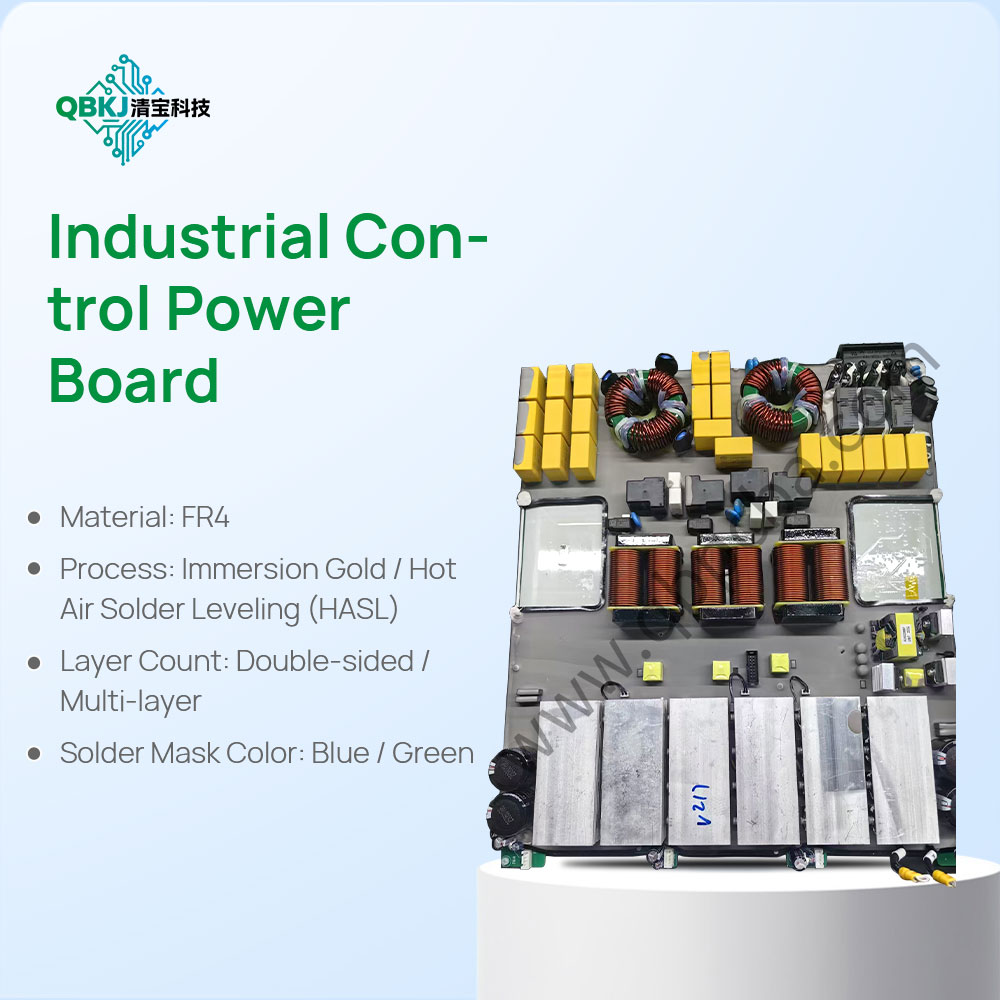
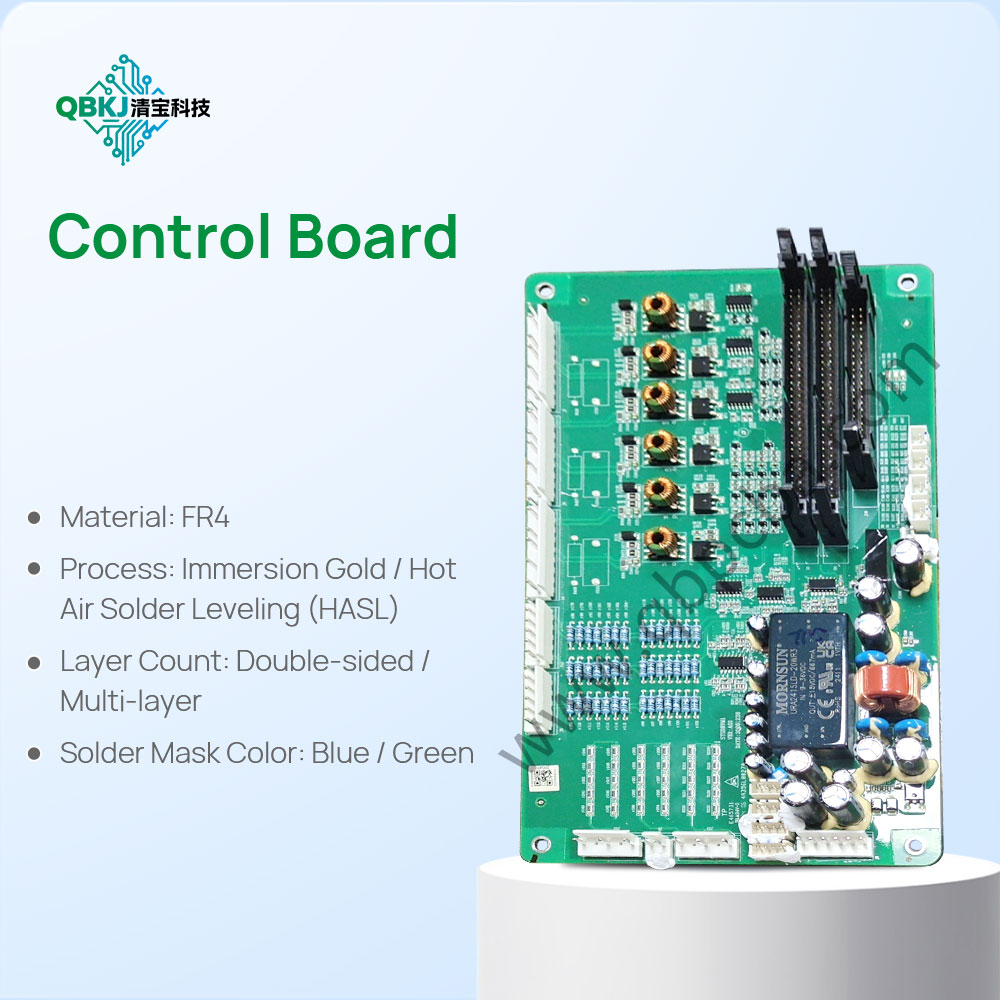
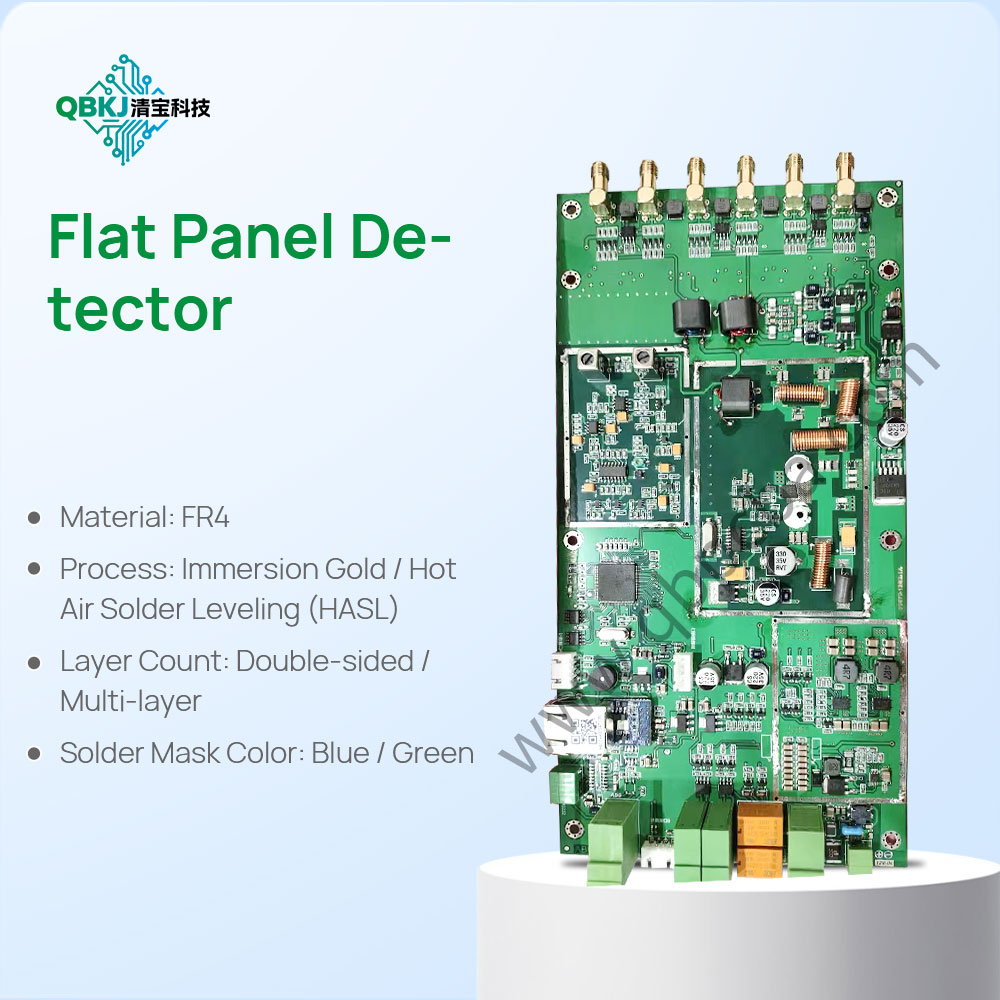
The OEM (Original Equipment Manufacturing) component of the turnkey service focuses on executing the finalized design through full PCBA production. This phase encompasses all critical steps: PCB fabrication (including single-layer, double-layer, and multi-layer PCBs up to 32 layers with high-frequency and high-speed requirements), imported and domestic component procurement (for both standard and custom parts), precision assembly, comprehensive testing, and final packaging. The manufacturing facility is equipped to handle a wide range of PCBA requirements, from small, high-density PCBs used in consumer electronics to large, rugged PCBs for industrial control systems and automotive applications. The assembly process utilizes advanced technologies, such as solder paste printing, high-speed pick-and-place, and reflow soldering, to ensure consistent quality across every unit. Post-assembly, the PCBA undergoes multi-layered testing: AOI for solder joint inspection, in-circuit testing (ICT) to verify component functionality and circuit continuity, functional testing (FT) to validate the PCBA’s performance in simulated end-product environments, and burn-in testing to identify early-stage failures under stress conditions.
A key advantage of PCBA full turnkey service is its seamless integration of design, production, and support. The R&D, manufacturing, and quality control teams work in tandem, ensuring that design decisions are aligned with production capabilities and that any issues are resolved in real time. For instance, if the PCB layout requires a component that is difficult to source or assemble, the design team can collaborate with the procurement and production teams to propose alternative components that maintain product performance while improving supply chain and manufacturing efficiency. Additionally, turnkey providers offer post-delivery support, including warranty services, technical troubleshooting, and production optimization. This end-to-end support is invaluable for clients who may lack in-house technical staff to address post-sale issues or optimize production for higher yields.
Cost efficiency is another pivotal benefit of full turnkey services. By consolidating all services under one roof, clients avoid the additional costs of coordinating multiple suppliers, such as communication fees, transportation costs between facilities, and quality control overlaps. Turnkey providers also leverage economies of scale: bulk component procurement and centralized production reduce per-unit manufacturing costs significantly compared to fragmented outsourcing. For SMEs, in particular, the turnkey model eliminates the need to invest in expensive manufacturing equipment, R&D talent, and supply chain management infrastructure, allowing them to allocate resources to product innovation and market expansion.
In today’s fast-paced electronics industry, where time-to-market and product reliability are critical, PCBA full turnkey service has become a cornerstone of successful electronics manufacturing. Whether a client is launching a new consumer gadget, developing an industrial control system, or engineering a medical device, a trusted turnkey partner delivers the expertise, resources, and efficiency to turn concepts into market-ready products efficiently and cost-effectively.

Email: 15361682656@163.com
Factory: Room 703, Kelunte R&D Building, No. 1 Ganli 5th Road, Jihua Street, Longgang District, Shenzhen City