CN
-
Service Hotline
15766086363

Release Date:May 19, 2026
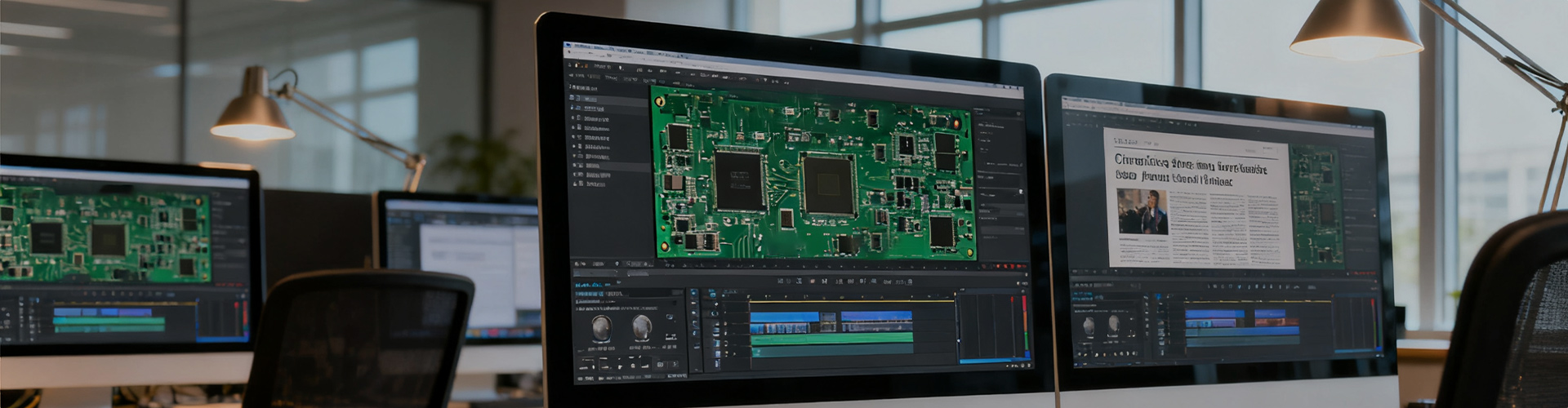
PCB clone coordinate map extraction is a core technical link in the PCB cloning process, which refers to the accurate extraction of the center coordinates, placement angles and component position information of all SMT components on the original PCB board, and the formation of a standard coordinate file that can be directly used for SMT assembly. This service is crucial for ensuring the consistency of the cloned PCB board with the original board in terms of component placement, avoiding patch errors and improving production yield, especially for high-precision and dense PCB boards such as consumer electronics and industrial control equipment.
The extraction process adopts professional software and standardized operation processes to ensure the accuracy and reliability of coordinate data. First, the original PCB board is scanned at high resolution to obtain clear image information of each layer, and then professional software such as CAM350 is used to import Gerber files, including top layer, silk screen layer and boundary layer, and set the layer type correctly. Then, through operations such as Dcode query and pad confirmation, the pads are converted and component packages are built, and the coordinate origin is set to ensure that all component coordinates are relative to the same reference point. Finally, the centroid report is generated to extract the component coordinates, which can be exported to Excel or other formats for editing and use.
We have a professional technical team with rich experience in coordinate extraction, which can handle various types of PCB boards, including single-layer, double-layer and multi-layer boards, and can achieve coordinate extraction accuracy of less than 1mil. For PCB boards with unclear silk screen, missing components or special packaging, we can combine image processing technology and manual correction to ensure the completeness and accuracy of coordinate data. At the same time, we can provide customized coordinate file formats according to customer needs, matching different SMT assembly equipment, and providing strong support for the subsequent cloning and production of PCB boards.

Email: 15361682656@163.com
Factory: Room 703, Kelunte R&D Building, No. 1 Ganli 5th Road, Jihua Street, Longgang District, Shenzhen City