CN
-
Service Hotline
15766086363

Release Date:Aug 27, 2026
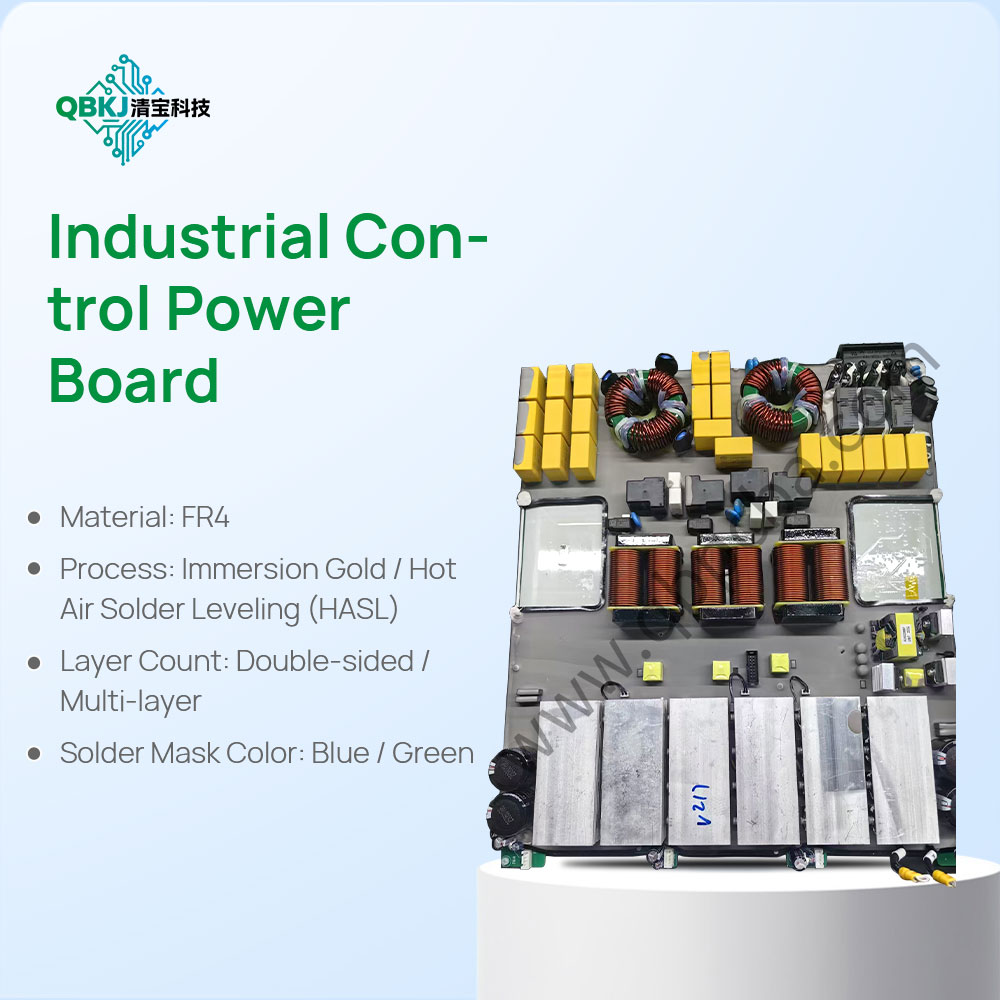
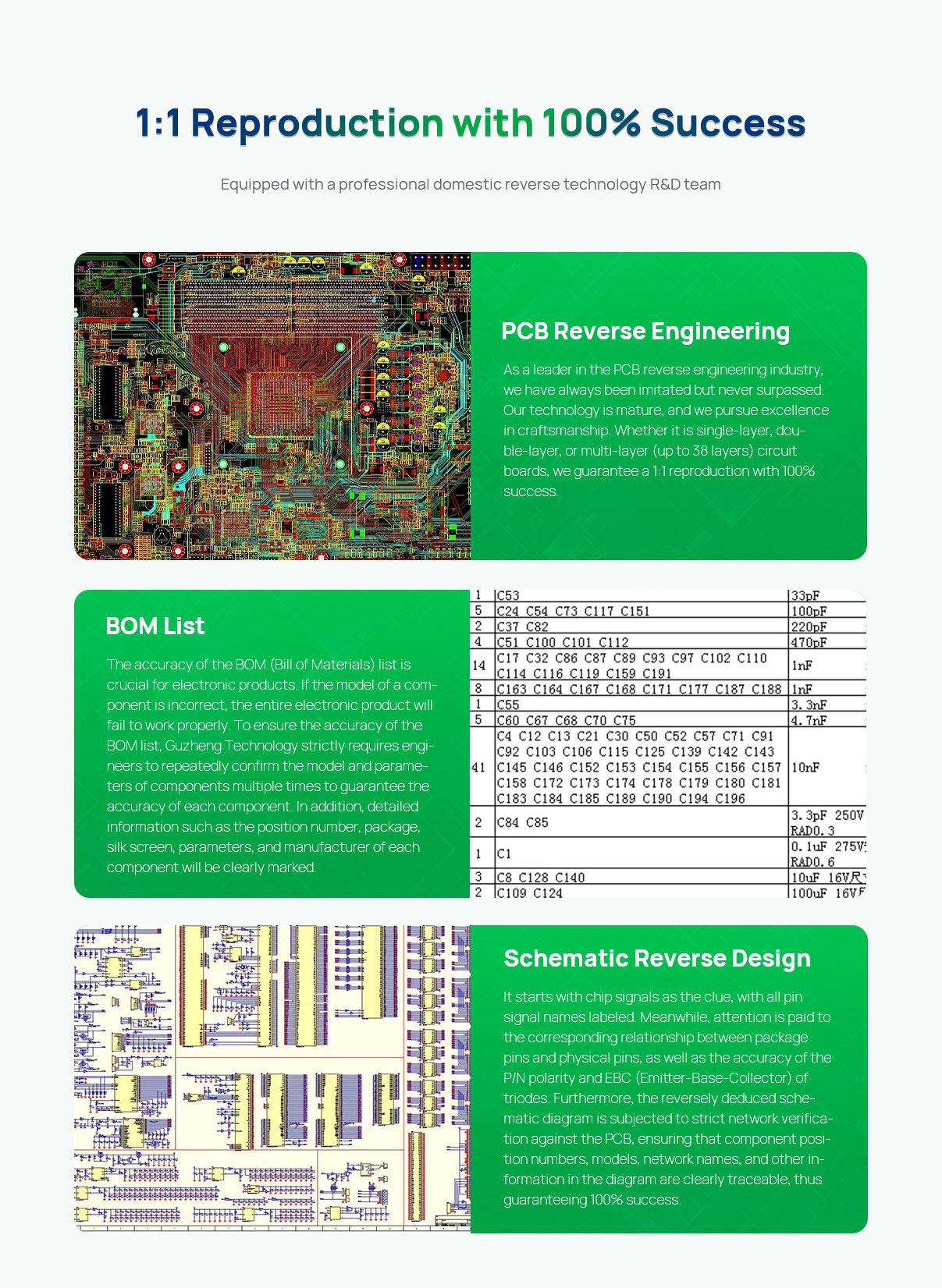
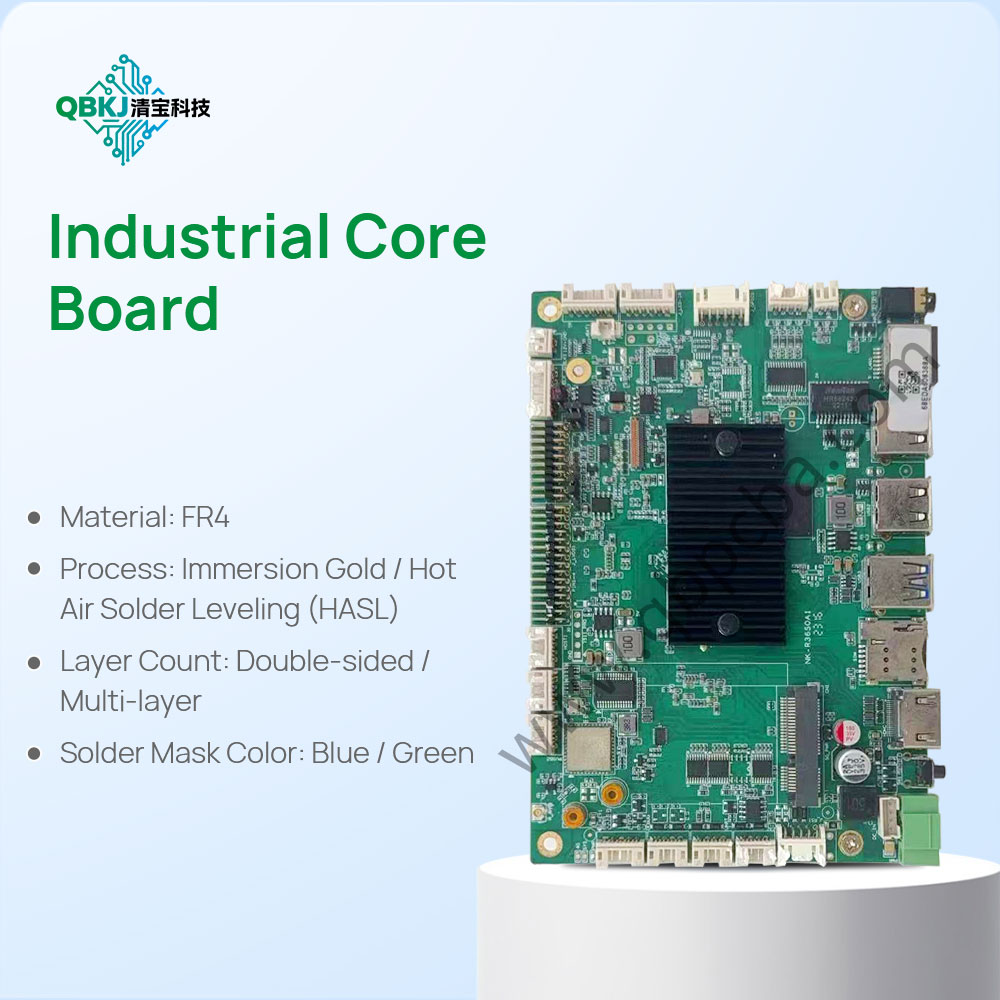
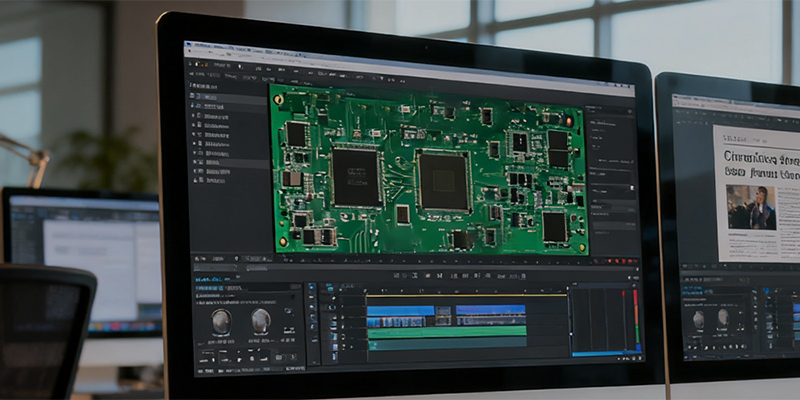
Industrial PCB clone refers to the reverse engineering replication service for industrial-grade circuit boards used in industrial control equipment, automated production lines, instrumentation, power equipment, automotive electronics, and intelligent manufacturing systems. Different from civilian consumer electronics PCBs, industrial PCBs have stricter requirements for temperature resistance, vibration resistance, corrosion resistance, signal stability, and service life, with complex circuit logic, diverse component types, and high process precision. In 2026, the cost of industrial PCB clone is mainly determined by board grade, structural complexity, performance parameters, and industrial standard compliance requirements, with a complete and standardized cost composition system, which is an important reference for enterprise equipment maintenance, product upgrading, and industrial equipment localization replication.
The basic cost of ordinary industrial PCB clone (2-4 layers) ranges from USD 120 to USD 300 per piece. This type of industrial board is mostly used in ordinary industrial control modules and low-power power equipment, adopting standard FR4 high-temperature resistant substrates, ordinary through-hole processes, and conventional industrial components. The cloning cost mainly includes original board detection, circuit scanning, Gerber file production, industrial-grade board proofing, and basic electrical performance testing. Compared with civilian boards, industrial boards need to meet industrial temperature grade requirements (-40℃ to 85℃), so raw material procurement costs and process production standards are higher, resulting in a 40% to 60% cost increase compared with civilian PCB cloning. In addition, industrial boards have higher requirements for circuit stability, requiring multiple rounds of aging testing and signal stability verification after cloning, increasing labor and time costs.
Medium-complexity industrial PCBs (6-8 layers) with impedance control, power management, and multi-signal integration functions have a cloning cost of USD 320 to USD 650 per piece. Such boards are widely used in precision instrumentation, automated control systems, and new energy power equipment, featuring multi-layer circuit cross-connection, analog-digital mixed signals, and high-precision impedance matching. The core cost increase comes from complex signal analysis and process replication: engineers need to conduct layer-by-layer signal sorting, impedance parameter calibration, and anti-interference circuit verification to ensure that the cloned board has the same anti-interference performance and operating stability as the original industrial board. At the same time, medium and high-end industrial boards mostly use SMT dense layout and partial BGA packaging, which improves the difficulty of reverse engineering and file calibration, further increasing technical labor costs.
High-end industrial special boards (more than 10 layers, thick copper power boards, high-precision control boards) have the highest cloning cost, ranging from USD 680 to USD 1,500 per piece. Thick copper industrial boards are used in high-power industrial power equipment, requiring thick copper foil lamination processes and high-current circuit design; ultra-multi-layer high-precision control boards are used in intelligent manufacturing core control systems, with extremely high wiring density and process precision. The cloning process needs to simulate industrial high-load operating conditions for performance testing, and optimize the circuit structure for industrial long-term operation scenarios to avoid aging and failure problems. In addition, for industrial boards with proprietary technology algorithms and customized circuit logic, schematic restoration and netlist verification will consume a lot of senior engineer working hours, becoming the main component of high cost.
The auxiliary cost factors of industrial PCB clone also include standard compliance and after-sales adaptation. Industrial equipment has strict industry certification standards, and cloned industrial boards need to meet CE, FCC, RoHS and industrial safety certification requirements, with additional certification testing costs of USD 50 to USD 200 per project. For customers needing batch replacement of industrial equipment boards, manufacturers will also provide industrial environment adaptation optimization and batch consistency testing services. In general, the high cost of industrial PCB clone is essentially the cost premium brought by high reliability, high stability, and high-standard industrial application requirements. Enterprises should not simply pursue low prices, but focus on whether the cloned boards meet industrial operating standards to avoid equipment failure and production losses caused by unqualified circuit boards.

Email: 15361682656@163.com
Factory: Room 703, Kelunte R&D Building, No. 1 Ganli 5th Road, Jihua Street, Longgang District, Shenzhen City