CN
-
Service Hotline
15766086363

Release Date:Apr 08, 2026
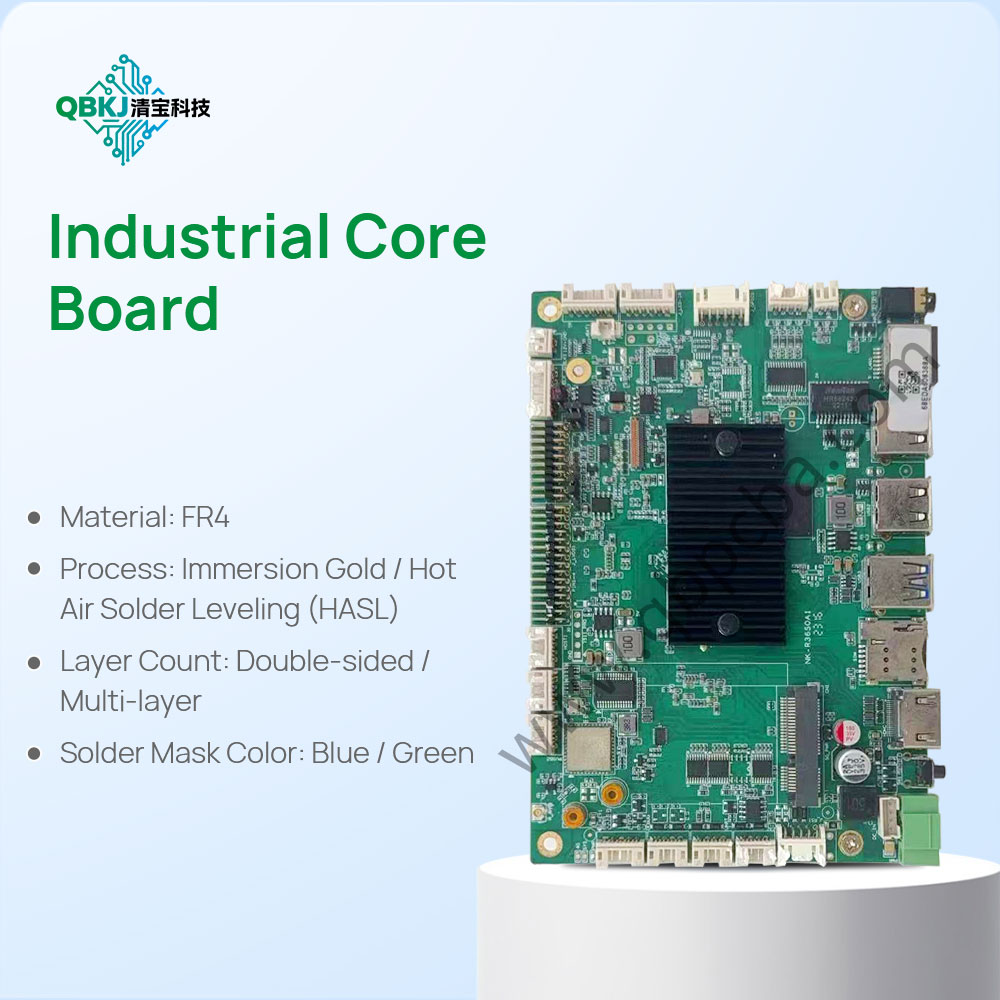
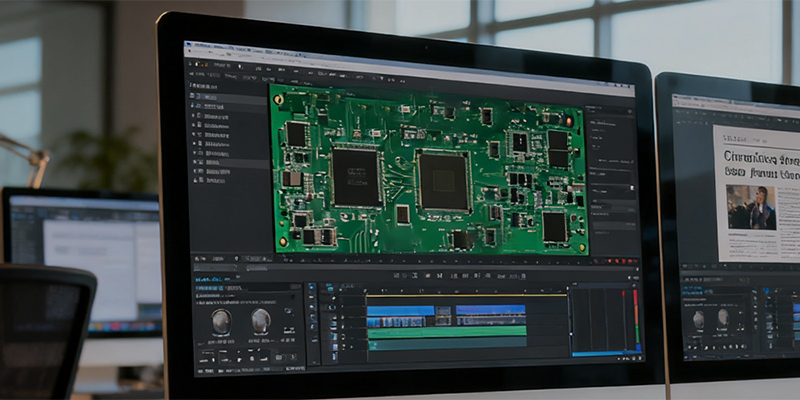
In the rapidly evolving landscape of industrial automation, industrial control motherboard PCBA custom development has emerged as a critical service for enterprises seeking high-reliability, high-performance, and application-specific printed circuit board assembly solutions. Industrial control motherboards serve as the core "brain" of industrial equipment, responsible for data processing, signal control, device communication, and system coordination—making them indispensable for smart manufacturing, industrial IoT (IIoT), automotive manufacturing, energy management, and medical equipment. Unlike off-the-shelf consumer electronics PCBs, industrial control motherboards demand strict adherence to industrial-grade standards, including wide temperature resistance, anti-interference, dustproof, and waterproof capabilities, as they operate in harsh environments with high voltage fluctuations, mechanical vibration, and humidity. Professional manufacturers specializing in custom development integrate hardware design, PCB layout, component selection, assembly, and testing into a one-stop service, enabling clients to tailor motherboards to their unique industrial scenarios while ensuring long-term stability and scalability.
The core of industrial control motherboard PCBA custom development lies in hardware and software collaborative design, which combines electronic engineering expertise with industrial application requirements. The design phase begins with in-depth communication between the manufacturer and the client to clarify core functional demands: for example, whether the motherboard needs to support multiple communication interfaces (CAN, RS-485, Ethernet, Modbus, or 5G/4G modules), high-speed data processing (for AI vision or real-time sensor data), or low-power operation (for battery-powered industrial devices). Designers then select industrial-grade components that meet international standards, such as high-reliability microcontrollers (MCUs) from Texas Instruments, STMicroelectronics, or NXP, industrial-grade power management chips, and anti-interference signal modules. The PCB layout is optimized for industrial performance: strict impedance control is implemented for high-speed signal lines to avoid crosstalk, layered grounding design is adopted to enhance electromagnetic compatibility (EMC) and electromagnetic interference (EMI) resistance, and the circuit layout is designed to resist mechanical stress to prevent damage from vibration or impact. For industrial scenarios requiring long-term operation, the design also incorporates redundant circuits and fault-tolerant mechanisms to ensure uninterrupted operation.
Component selection and procurement are pivotal to the quality of industrial control motherboards, as even minor component defects can lead to system crashes or equipment failure in industrial environments. Custom development manufacturers prioritize authentic, industrial-grade components from authorized suppliers, avoiding counterfeit or low-consumer-grade parts that cannot withstand industrial conditions. For example, capacitors and resistors are selected from brands such as Murata and TDK, which offer high temperature stability (-40°C to +125°C), and power modules are chosen for high current capacity and low heat generation. The procurement team also establishes long-term partnerships with global component suppliers to ensure a stable supply of scarce or long-cycle industrial components, mitigating the risk of production delays caused by component shortages. Additionally, manufacturers provide component traceability documentation, which is mandatory for regulated industries such as medical and automotive, to comply with quality audit requirements.
The PCBA assembly phase for industrial control motherboards requires precision manufacturing and strict quality control (QC) to meet industrial-grade standards. The production line is equipped with high-precision surface-mount technology (SMT) equipment, including laser printers for ultra-fine solder paste application, high-speed pick-and-place machines capable of handling BGA, QFN, and CSP packages, and multi-zone reflow ovens with precise temperature control to avoid soldering defects. For through-hole components and connectors used in industrial equipment, manual soldering with precision tools is performed to ensure firm connections. Post-assembly, the PCBA undergoes comprehensive QC testing: automated optical inspection (AOI) checks for solder joint defects, X-ray inspection verifies the integrity of BGA/QFN solder joints, in-circuit testing (ICT) confirms circuit continuity and component functionality, and functional testing (FT) validates the motherboard’s performance under simulated industrial conditions (including wide temperature and voltage fluctuations). Manufacturers also conduct aging testing for 48–72 hours to identify early-stage failures, ensuring the motherboard can operate stably for 50,000+ hours without downtime.
Custom development also includes post-delivery technical support and iterative optimization, which is critical for industrial equipment that may require long-term upgrades or adaptation to new production processes. Professional manufacturers provide on-site debugging, firmware programming, and system integration services to help clients quickly integrate the motherboard into their equipment. They also offer design iteration support: if the client’s production needs change (e.g., adding new communication interfaces or upgrading processing performance), the design team can modify the PCB layout and component configuration to meet new requirements, ensuring the motherboard remains compatible with future industrial upgrades.
In summary, industrial control motherboard PCBA custom development is not just a manufacturing service but a strategic collaboration between manufacturers and clients. By combining professional design expertise, strict component control, precision assembly, and comprehensive testing, these services enable enterprises to build industrial control motherboards that are tailored to their specific applications, ensuring reliable operation in harsh industrial environments and supporting the long-term development of smart manufacturing.

Email: 15361682656@163.com
Factory: Room 703, Kelunte R&D Building, No. 1 Ganli 5th Road, Jihua Street, Longgang District, Shenzhen City