CN
-
Service Hotline
15766086363

Release Date:May 22, 2026
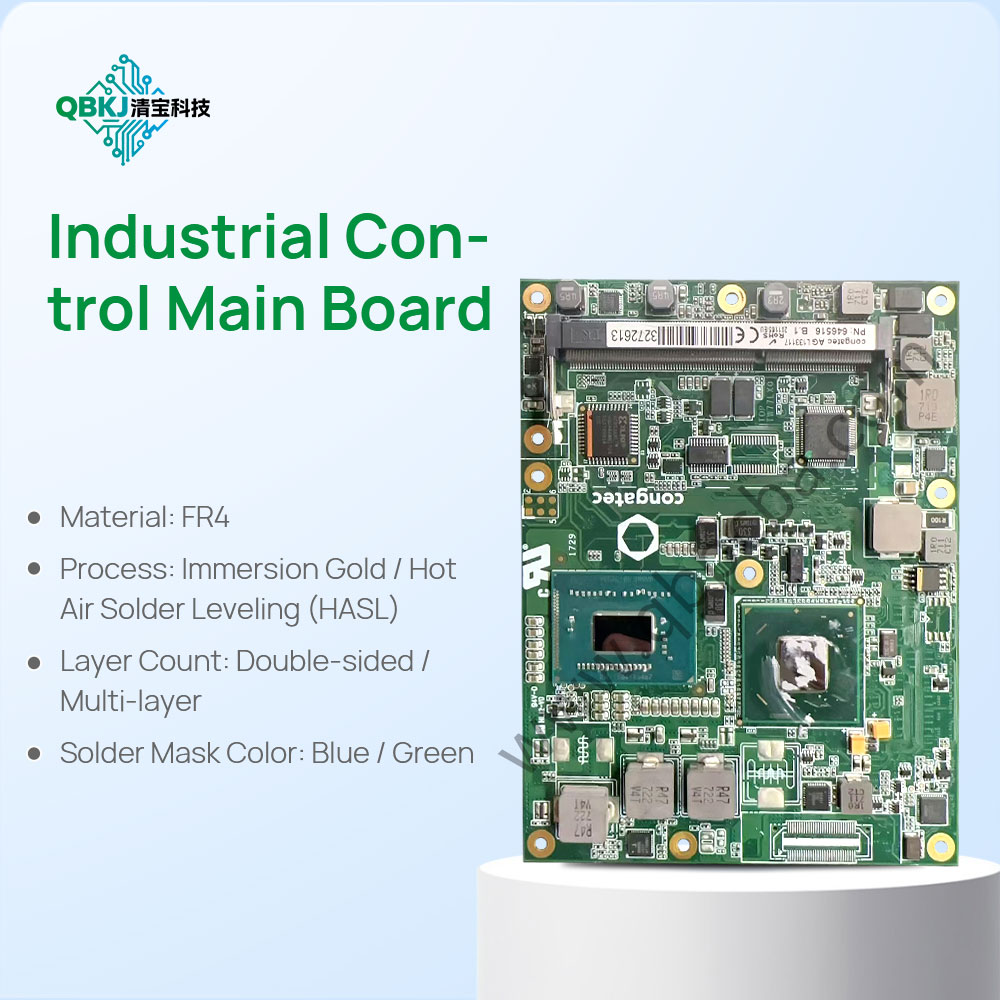
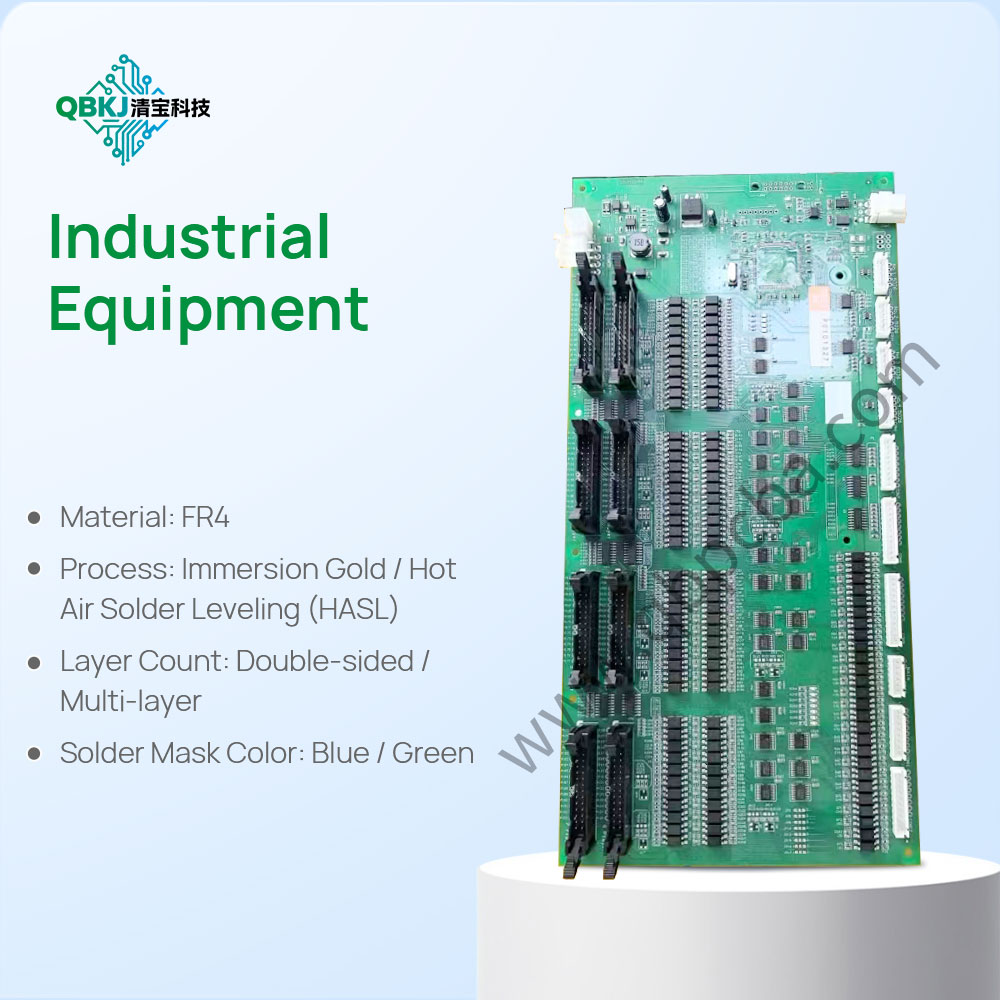
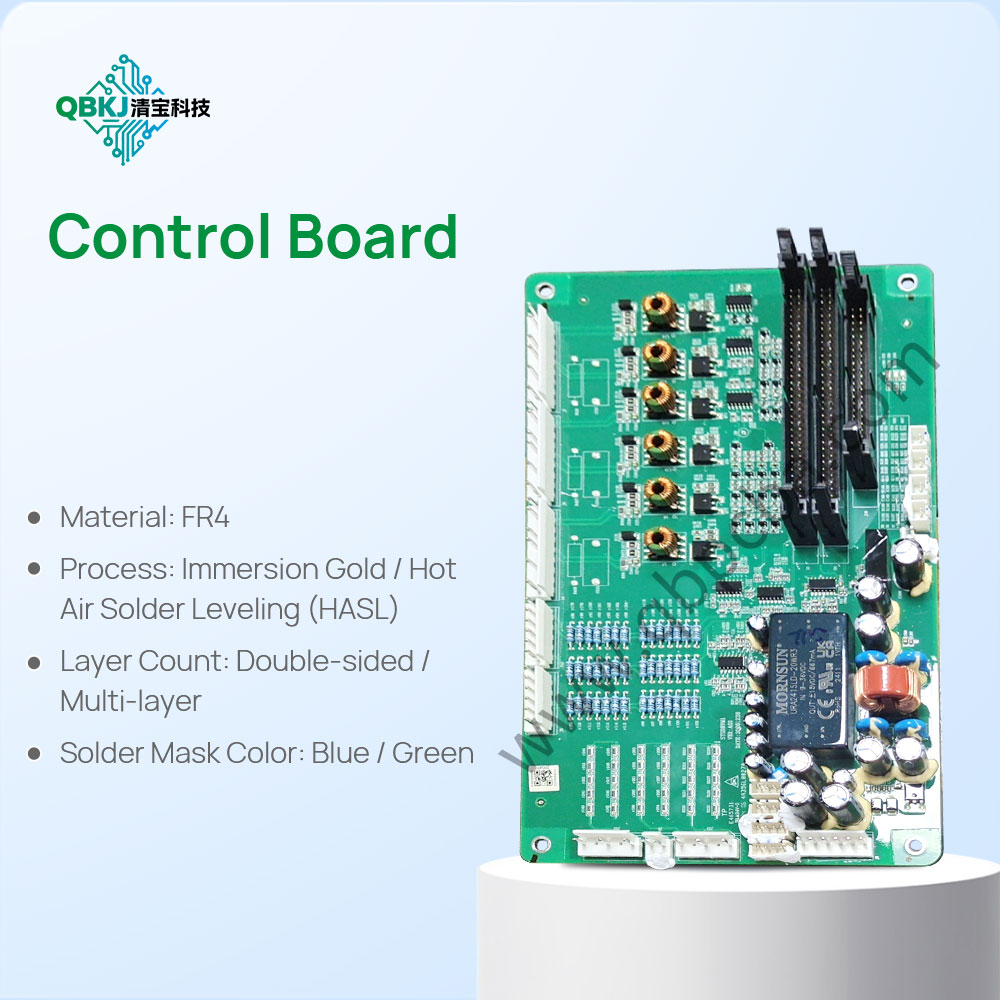
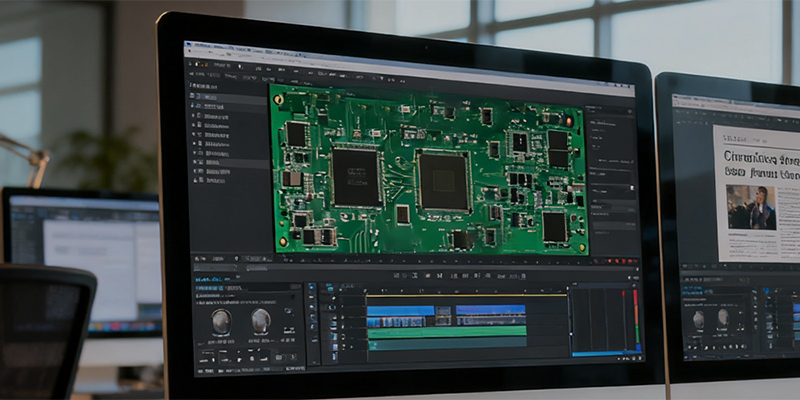
FR4 material PCB cloning and prototyping is a specialized service targeting PCB boards made of FR4 material, which is the most widely used PCB base material in the electronics industry due to its excellent mechanical properties, electrical insulation, heat resistance, and corrosion resistance. This service focuses on 1:1 accurate cloning of FR4 PCB boards and rapid prototyping, meeting customers’ needs for sample verification, small-batch trial production, and mass production preparation, and is applicable to various electronic products such as industrial control equipment, household appliances, and communication devices.
The core of this service lies in material consistency and prototyping precision. We first select high-quality FR4 base material that is consistent with the original PCB board in parameters such as thickness, dielectric constant, and heat resistance, ensuring the cloned board has the same physical and electrical properties as the original. In the cloning process, we use high-precision scanning equipment to extract circuit data, and professional software to draw the PCB file, strictly controlling the circuit width, spacing, and pad size. The prototyping stage adopts advanced PCB manufacturing technology, with strict control over the etching, drilling, and soldering processes to ensure the prototype board is accurate and reliable.
After prototyping, we conduct comprehensive testing on the FR4 cloned prototype, including flying probe testing, insulation testing, and functional verification, to ensure the prototype meets the design requirements and can be directly used for subsequent trial production or mass production. This service has the advantages of fast delivery, high precision, and cost-effectiveness: the prototype can be delivered within a short time to meet customers’ urgent needs for sample verification, and the use of high-quality FR4 material ensures the stability and durability of the cloned board. We also provide customized prototyping services according to customer needs, such as adjusting the board thickness, surface treatment, and silk screen, to meet the specific requirements of different application scenarios.

Email: 15361682656@163.com
Factory: Room 703, Kelunte R&D Building, No. 1 Ganli 5th Road, Jihua Street, Longgang District, Shenzhen City